
Before Denver there was Brooklyn. Before Brooklyn there was a subterranean room in DUMBO called Low.
You got there the way you get to anything worth finding in New York — through someone who knew, through a coat closet, down a flight of stairs. Red Venetian plaster walls. A wraparound bar. A small stage where burlesque performers gave way to local indie bands who gave way to a DJ who played only vintage .45s on two small tweed portable record players. The whole thing was underground, literally, beneath a restaurant known for an extensive selection of rice. Around the corner was Superfine — born in a loft at 25 Jay Street, grown into a warehouse that had previously stored vacuum cleaners and auto parts, still feeding artists and anyone who’d elected to live under a bridge because it was the best address available. Across the street, St. Ann’s Warehouse was hosting the Wooster Group — Elizabeth LeCompte’s experimental theater company, Willem Dafoe and Kate Valk working through deconstructed texts in a converted spice-milling warehouse on Water Street. The kind of work that leaves you needing a dark room and a serious drink. Some of those people found the coat closet. Most nights, that was enough of a guest list.
This was DUMBO before the condos. Warehouse district. Cobblestones and bridge shadows. The kind of neighborhood that exists for about ten minutes before someone figures out its worth and prices it into something else entirely.
Behind the bar at Low, I learned what a room can do. Not the cocktails — the room. The red walls, the low light, the .45 needle drop, the moment when the burlesque performer leaves the stage and the bass comes up and forty people who came for rice are still here at midnight. You learned that the right container changes what happens inside it. That people will find the coat closet if what’s behind it is worth finding.
David Kaplan learned the same thing, differently.
He grew up in Jackson Hole, studied fine art photography, moved to Las Vegas and found himself surrounded — his words — by freshly dried concrete and newly dried paint. He left. He moved to New York with a different idea. On New Year’s Eve 2006 he opened Death & Co in the East Village, in a room small enough that every person in it could hear the bartender think. The name came from a Dashiell Hammett story. Days later it was on the front page of the New York Times Sunday Styles section. By 2010 it had won Best American Cocktail Bar and World’s Best Cocktail Menu. He was 24 when he opened it. He built it the way you build something you’re not planning to apologize for.
The bar’s first menu included a drink called the Oaxaca Old Fashioned, created by bartender Phil Ward. Ward had been working with mezcal before most American bartenders knew what to do with it. His solution was to pair it with something familiar — reposado tequila as the foundation, mezcal as the edge, the bones of the oldest cocktail template there is. He used just enough mezcal that you tasted where it came from without being swallowed by it. Kaplan later compared Ward to Raymond Carver: minimalist, grounded in the classics, each drink one innovative step forward. The Oaxaca Old Fashioned became the most requested drink in Death & Co history. The most imitated cocktail of the craft cocktail era. A gateway, for most people, to mezcal itself. The right amount of the unfamiliar, held steady by the known.
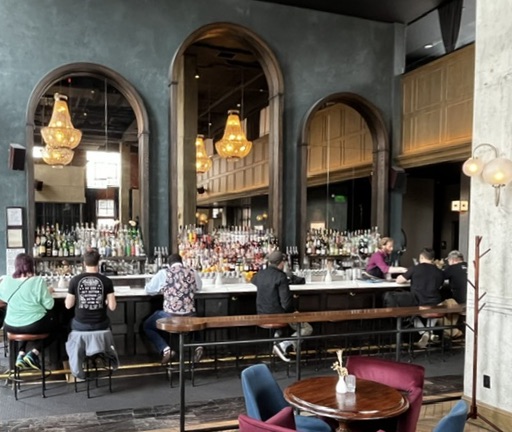
In 2018 Kaplan brought Death & Co to Denver. The move west was not obvious. They traded their dark intimate East Village room for the grand sunlit lobby of The Ramble Hotel in RiNo — a 50-room boutique property built by a developer who looked at the disposable architecture going up around him and built for a hundred years instead of twenty-five. Hand-cut brick in saturated orange. Herringbone floors in reclaimed wood, every plank a different register of ash and charcoal. Unpolished concrete columns against ornate chandeliers. The exterior masculine, the interior a surprise. Inspired by 17th century Parisian salons — spaces built not to impress but to generate conversation.
“Daylight is new for us,” Kaplan said at the Denver opening.
Death & Co operates the entire food and beverage program inside the Ramble. The lobby bar from 3pm. DC/AM from 7am — coffee, breakfast burritos, a corretto with amaro if you want to start honestly. Suite 6A upstairs on the mezzanine: twenty seats, cocktail tasting menu, the room where the bartenders take the long route. The Garden opens to the Colorado sky. Your guest room comes stocked with a Death & Co bar. You don’t check in and then go find the experience. You arrive inside it.
First-year financials met what was projected for year five.
The business has since grown into Gin & Luck — New York, Los Angeles, Washington D.C., Melbourne, and counting. A canned cocktail line. Three books, all considered standards. An education platform. A hotel division. They’re crowdfunding expansion from their own community. The tribe owns a piece of the thing they love. The cocktail is the nucleus. Everything else is what grows from it.
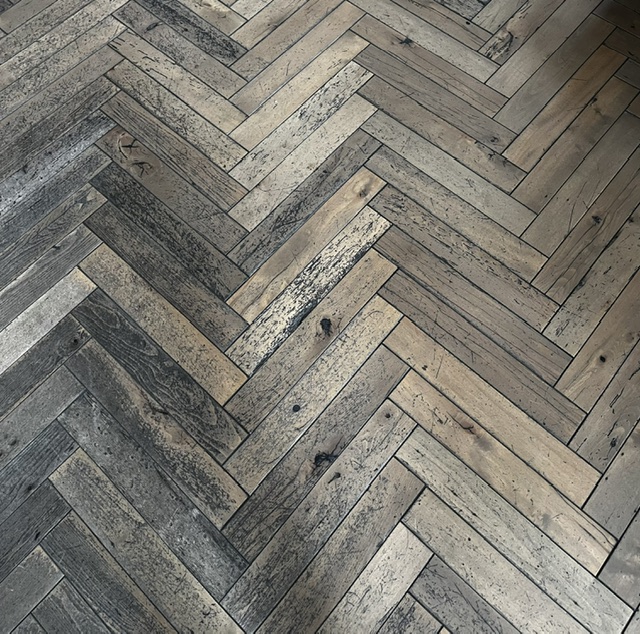
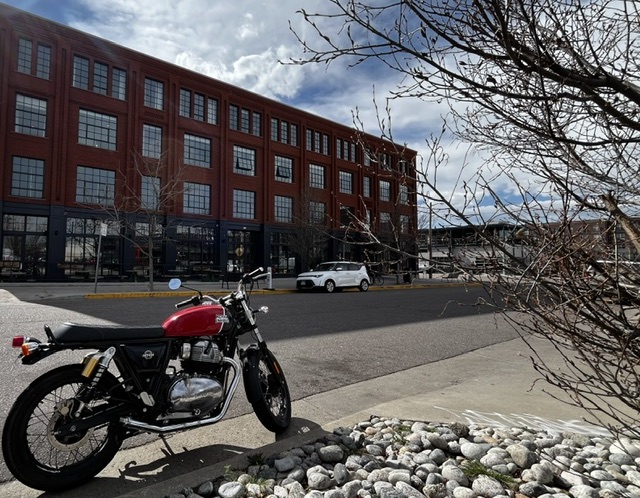
Each location, Kaplan says, is a microexpression of its city. Denver got daylight and scale and a herringbone floor and a Royal Enfield parked outside in that particular Colorado light — not winter, not spring, just west. The building looks like it was always there. It wasn’t. Someone decided it should be.
The coat closet in DUMBO taught the same lesson at a smaller scale. The right room finds the right people. You don’t advertise the staircase. You build something worth descending into and let the word travel the way it travels — person to person, quietly, with conviction.
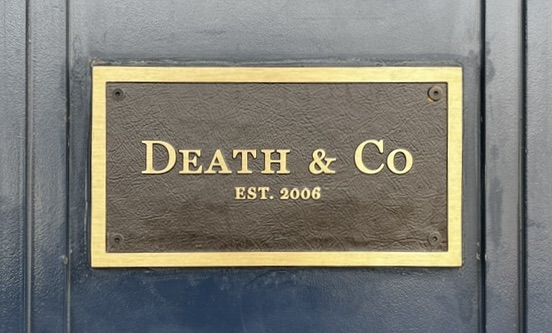
Denver eventually. The Ramble eventually. The brass plaque on the navy door: Death & Co. Est. 2006. The weight of it is the point. You put that hardware on a door when you’re not planning to leave.
Make it at home.
The Oaxaca Old Fashioned has been on the Death & Co menu since their first night open. It is the drink most likely to convert a skeptail to mezcal — not by overwhelming them, but by introducing it at the right proportion, alongside something they already trust.
The Oaxaca Old Fashioned
Phil Ward — Death & Co, 2007
- 1½ oz El Tesoro reposado tequila
- ½ oz Del Maguey San Luis Del Rio mezcal (any quality single-village mezcal works)
- 1 tsp agave nectar
- 2 dashes Angostura bitters (or Bittermens Xocolatl Mole bitters — the version that leans further into smoke and chocolate)
- Garnish: one wide orange twist
Place a single large ice cube in a rocks glass. Add all ingredients and stir until properly chilled — about 30 seconds. Hold an orange peel skin-side down over a lit match and squeeze: the oils briefly ignite over the surface of the drink. Drop the peel in.
The smoke from the mezcal and the flamed orange arrive together. That’s not an accident. Ward used just enough mezcal to tell you where you are without making you feel like you got there too fast.
If you can’t get to Denver, make this on a Tuesday night with the .45 on the turntable. Same principle.
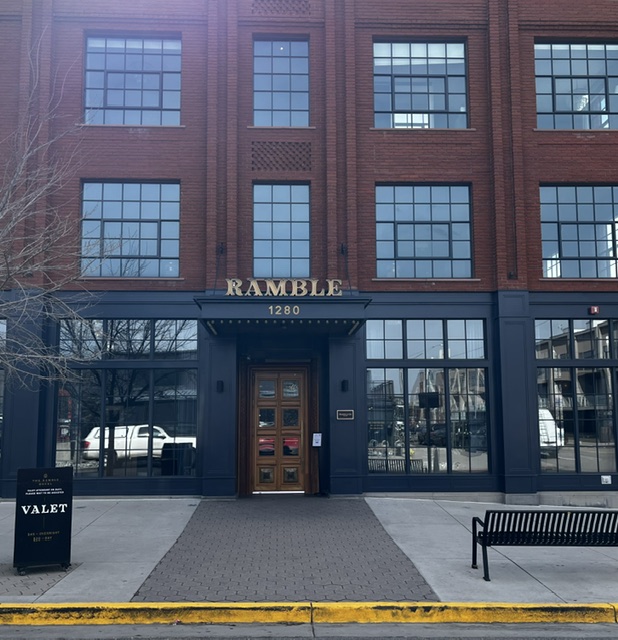
Death & Co Denver — 1280 25th Street, Denver CO 80205. Inside The Ramble Hotel, RiNo. Bar opens 3pm. DC/AM from 7am. Suite 6A by walk-in or reservation. deathandcompany.com